
Out With the New, In With the Old.
Conscious thoughts from our lead designer.
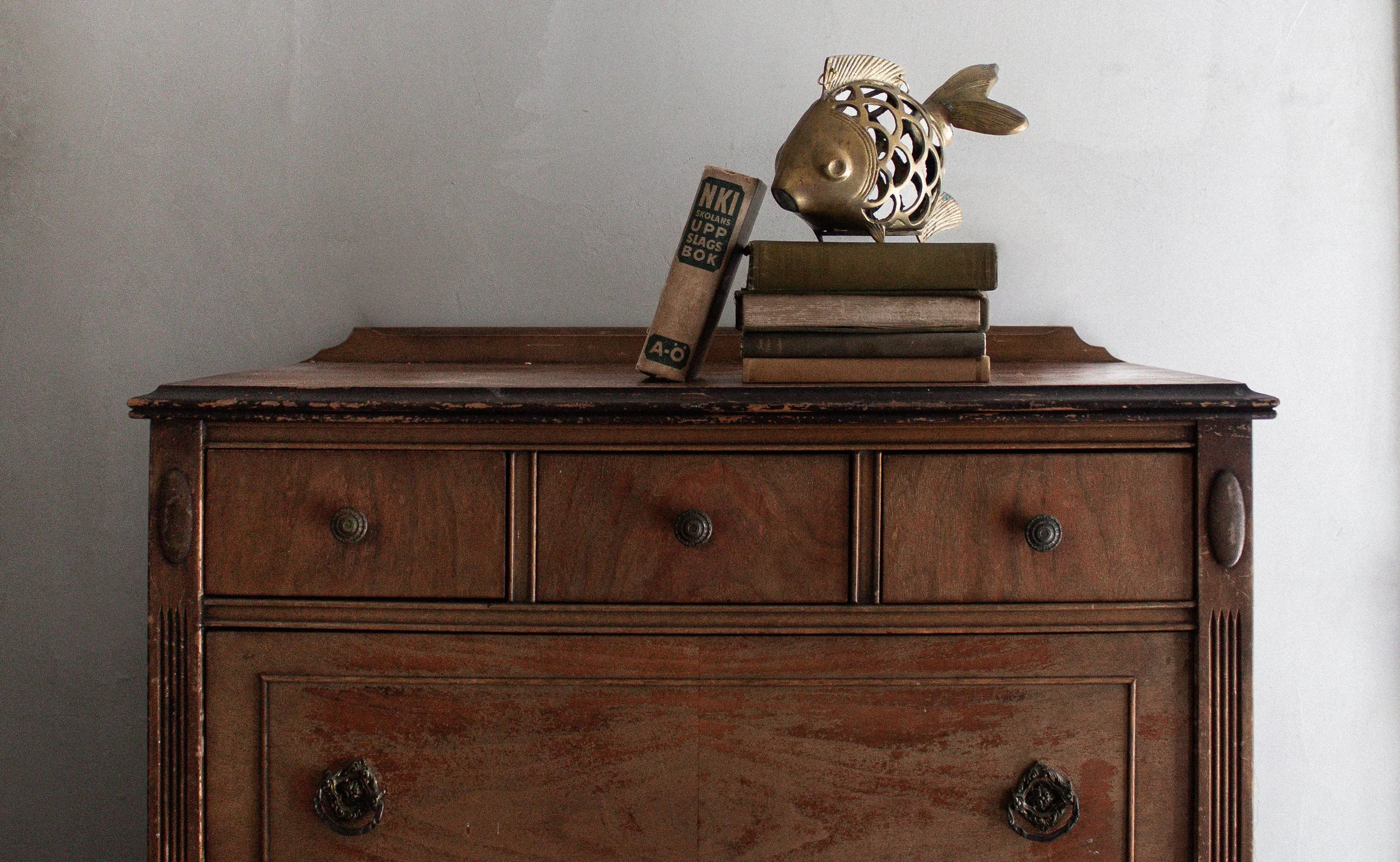
As a designer, I have always been drawn to natural materials and objects that carry the marks of the people who made them.
I love that hand-thrown ceramics are appearing everywhere. Their uneven edges and visible imperfections bring something deeply human into a room. They remind us that not everything needs to look identical or come straight from a factory. I find it is the irregularity that gives an object its soul.
I feel the same way about the revival of the English-style kitchen. It is one of my favorite design movements because it brings warmth and charm back into what is often the busiest room in the house. Furniture-style cabinetry, aged metals, natural stone and wood, open shelving, traditional craftsmanship, and details that feel collected over time make a kitchen feel like the heart of a home. These ideas all seem connected to a larger desire for authenticity and personality. For that reason, I believe they will stay with us longer than many passing design trends.
There is already so much furniture in the world. Before automatically buying something new, I love the idea of bringing one antique or vintage piece into a home. It does not have to be valuable or from a particular period. It might be an old chest, a worn wooden table, a small cabinet, or a chair with a shape you have never seen before: Where did it come from? When was it made? What style or era does it represent? Even when we do not know the full story, an older piece brings a sense of history and curiosity into a room. It also gives a home something that cannot be ordered from a catalog: individuality. Many antique pieces were made from solid wood and constructed to be repaired rather than discarded. They have already lived several lifes, and with a little care, they may be ready for another.
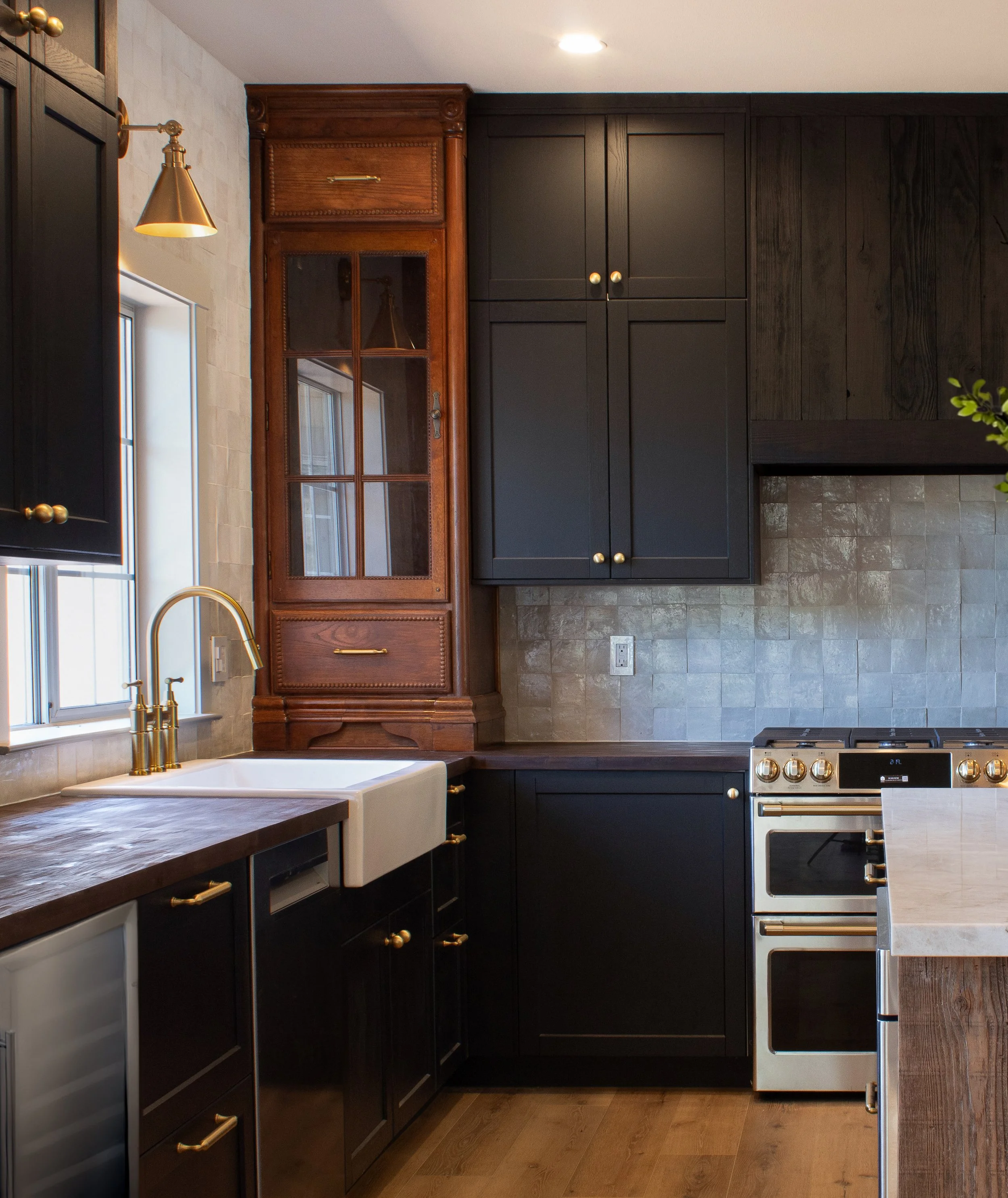
One of our latest kitchen remodels.
Napa Valley, California | 2026
Lately, my interest in materials has become more personal.
My son is planning to become a firefighter, and cancer is a serious occupational risk for firefighters. Thinking about the conditions they enter has made me look differently at everything we place inside our homes. When synthetic flooring, plastic-based textiles, foam-filled furniture, and composite wood products burn, they can contribute to an extremely hazardous environment.
I am not suggesting that we should feel guilty about every item we own. Modern materials are part of modern life, and they often make products more affordable and accessible. But I do think it is worth becoming more curious about what things are made from, how long they are likely to last, and what happens to them at the end of their useful life.
A recent health scare made me reconsider some of my own choices as well. It made me think more carefully about the products we use on our bodies, the food we eat, the clothing we wear, and the materials that surround us every day.
I do not have all the answers, and I am not trying to create a perfectly “natural” life. That would be unrealistic for most of us. I am simply trying to become more thoughtful. As a designer, that might mean choosing solid wood when the budget allows, selecting natural stone or ceramic tile, looking for lower-emission finishes, reupholstering a well-made chair, or finding an antique piece instead of replacing everything with something new. It might also mean asking more questions about where a product came from and how it was made.
As a mother, it means thinking about the world my children will live and work in.
And as a human being, it means recognizing that small choices still matter, even when none of us can make perfect ones.
Good design should be beautiful, but I believe it can also be responsible, lasting, and deeply personal. I am still learning, still asking questions, and still trying my best to make thoughtful decisions for my clients and their homes. Perhaps the future of design is not always about finding the newest thing.
Perhaps sometimes it is about rediscovering the value of what we already have.